The short answer
Sell to restaurants in person or by phone between lunch and dinner, and use email to follow up. Of 12,358 restaurants in our lists, 95.1% list a phone but only 57.7% publish an email, the lowest of the five industries in our selling guides. Ask for the owner or general manager, call Tuesday to Thursday around 3:00, and avoid Mondays: 23.5% of restaurants are closed.
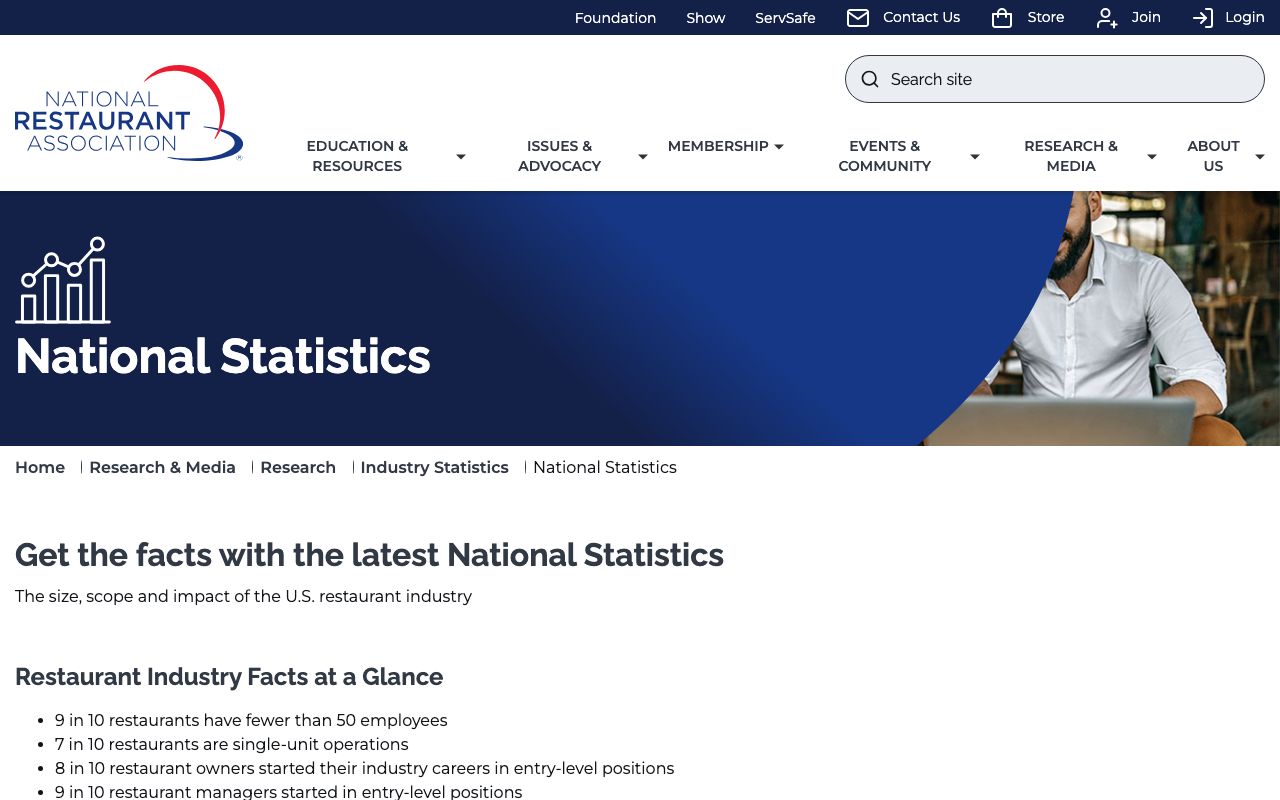
Restaurants buy constantly and hate being sold to. They place orders every week, change vendors when one lets them down, and remember the rep who turned up when they were short. The owner is in the building, on the floor and too busy at exactly the hours most sales teams work. The National Restaurant Association counts 7 in 10 restaurants as single-unit operations, so most of the time the person you need is also the one running the pass. This guide uses 9 of our restaurant lists, 12,358 restaurants after removing duplicates, cut by cuisine, reviews, website and opening hours.
Who sells to restaurants, and what they buy
Almost everything in a restaurant is bought from someone. Food and beverage distributors, produce and specialty suppliers, and beer, wine and spirits reps sell weekly. POS, online ordering, reservations and delivery tools are the big software spend. Then the services: linen and uniforms, cleaning, hood and grease-trap cleaning, pest control, equipment repair, payroll and staffing, insurance, and marketing agencies selling social, photos and reviews. Each one has a different buyer inside the building, and a different hour when that person can talk. Get the role right before you plan the visit.
| You sell | Who decides | Best first touch | What they care about |
|---|---|---|---|
| Food, produce, specialty items | Chef or owner | Walk in with a sample | Price per case, delivery days, quality |
| Beer, wine, spirits | Owner or bar manager | Visit in the afternoon | Margin, menu fit, support |
| POS, online ordering, reservations | Owner | Phone, then a demo on site | Fees per order, staff time |
| Linen, cleaning, pest, hood service | General manager | Phone or walk in | Reliability, inspections passed |
| Marketing, social, photos | Owner | Email or Instagram | Covers on slow nights |
| Payroll, staffing, insurance | Owner | Email, then phone | Cost and time saved |
Who decides in a restaurant
The owner decides at an independent. The titles published next to restaurant emails in our files are mostly that: owner is the most common, then general manager and manager. Chefs decide on food, bar managers on drinks, and general managers on the services that keep the doors open. Groups and franchises are different: 16.9% of restaurants in the eight lists share a website domain with other locations, and those decisions sit with an office you won't reach by walking in.
Independent restaurants vs locations sharing a domain
One location (own domain)Domain shared by 2+ locations
The independent owner with a website has an email three times in four, but only half the time on their own domain; the rest use Gmail and similar. Gmail alone is 24.0% of first emails, the highest share among dentists, real estate agents, accountants, churches and restaurants. That is the owner's own inbox more often than not, which makes it a good address, not a bad one.
What restaurants publish: the contact data
Restaurants are the one industry here where the website often doesn't lead to an email. Many restaurant sites are a menu, a map and an ordering button with no contact address; some use an ordering platform's page as the website. 493 restaurants in the eight lists give a Facebook page as their website. Reviews are not the problem: 64.2% of restaurants have 200 or more, and the median is 349. But email still tracks reviews, from 25.5% for restaurants with fewer than 10 to 68.3% for those with 200 or more.
Email rate by cuisine (listing category)
Cuisine changes the channel. An Italian or American restaurant list is an email list; a Mexican or Chinese restaurant list is a phone and walk-in list with email as a bonus. Check which you have before you plan the campaign. Claimed listings help too: 63.0% of claimed restaurants have an email, against 23.9% of unclaimed ones.
Columns that tell you who needs what
A restaurant list is also a list of buying signals, if you read the columns. The website column tells a web or marketing agency who to call first: 25.8% of restaurants in the eight lists have no website of their own, and 493 point to a Facebook page instead. The same column tells a POS or ordering company what the restaurant runs today, because some sites live on the ordering platform itself (60 on toasttab.com, 60 on square.site in our files). The rating column is a pitch for review and reputation sellers: only 52.5% of rated restaurants hold 4.5 stars or more, against 82.8% of dentists. And the hours column shows who serves breakfast, who opens late and who closes Mondays, which is how a distributor plans delivery days.
The best channel: in person and by phone, then email
Restaurant sellers who do well show up. A distributor rep walks in with a sample, a linen company calls the GM, a POS rep books a demo at the bar after lunch. Email works best as the second touch, a short note that confirms what you said in person, or as the first touch for the 57.7% of restaurants that publish one. Social is a strong third: 46.5% link Facebook and 39.0% Instagram, and the owner usually runs the account. A comment on a new dish is a better opener than any subject line. Cold calling small businesses and social media prospecting cover both.
A restaurant sequence
- 1Call at 3:00Ask for the owner or GM by role, ask when they're in.
- 2Walk in at that timeBring something they can taste, hold or read in 30 seconds.
- 3Email the same dayTwo lines: what you showed, what it costs.
- 4Follow up next weekSame weekday, same hour. They remember the pattern.
When to reach a restaurant
The median restaurant in our lists opens at 11:00 and closes at 9:00 on a Tuesday, and 49.8% stay open until 10:00 or later on Friday or Saturday. Monday is the day off: 23.5% of restaurants that list hours are closed Monday, and only 87.3% open Tuesday. Most don't list a break between lunch and dinner (6.8% do), but the lull is real. Call or visit between 2:00 and 4:00, Tuesday to Thursday. Never during the lunch rush, never on a Friday night.
Restaurants open on each day of the week
Email timing is the other way round. Owners read email before service or after close, so a message sent at 9:00 in the morning sits on top when they check before opening. 23.0% of restaurants open before 8:00, mostly breakfast places; for them, call after the breakfast and lunch rush instead.
Two templates for restaurant owners
Subject: {restaurant} on Tuesdays

Hi {first_name},

I stopped by {restaurant} last week. Your Friday was full; I'd guess
Tuesday isn't.

We run a slow-night offer for {n} independent restaurants in {city},
set up in one call, no new hardware. It can run from next Tuesday.

Can I come by at 3:00 on {day} for ten minutes?

{your_name} · {phone}
{company}, {address}
Reply "stop" and I won't email again."Hi, is the owner or the GM in? ... No problem. I'm {your_name} with
{company}, we do {service} for a few places on {street}. What's a good
time to catch them, after lunch? ... I'll come by Thursday at 3:00 then.
Who should I ask for?"Objections you will hear, and answers
- "We're slammed, come back later." Ask for the time. "Later" from a restaurant means a specific hour; come back exactly then.
- "We already have a supplier / a POS." Ask what they'd change. Restaurants switch when the current vendor fails them, so be the name they remember when it does.
- "Talk to corporate." It's a group or franchise location. Ask for the office, and check the list for other rows on the same website domain.
- "It's too expensive." Translate the price into covers, cases or hours. A restaurant owner thinks in the margin per plate, not monthly fees.
- "Leave a card." Leave it, and email the same day so the card has a follow-up.
Restaurant data ages fast: 1.1% of restaurants in our lists are marked temporarily closed, the highest of these five industries, and hours and owners change often. Ours are built fresh and every email is checked with the mail server before it reaches you; see how to verify an email list for what that catches, and segment by territory to plan walk-in routes.
Thinking about building it yourself? Read buy vs build, and compare sources: LeadLists vs Outscraper, vs Data Axle. Plans and prices are on pricing.